Moving to Port St. Lucie, FL: A Local Guide to Living Here
Area: Port St. Lucie, St. Lucie County, Florida (Treasure Coast). Inside the city: St. Lucie West and Tradition. Nearby towns: Fort Pierce to the north; Jensen Beach, Stuart and Palm City to the south in Martin County.
Last updated: November 16, 2026 · By Jeremy Beckham
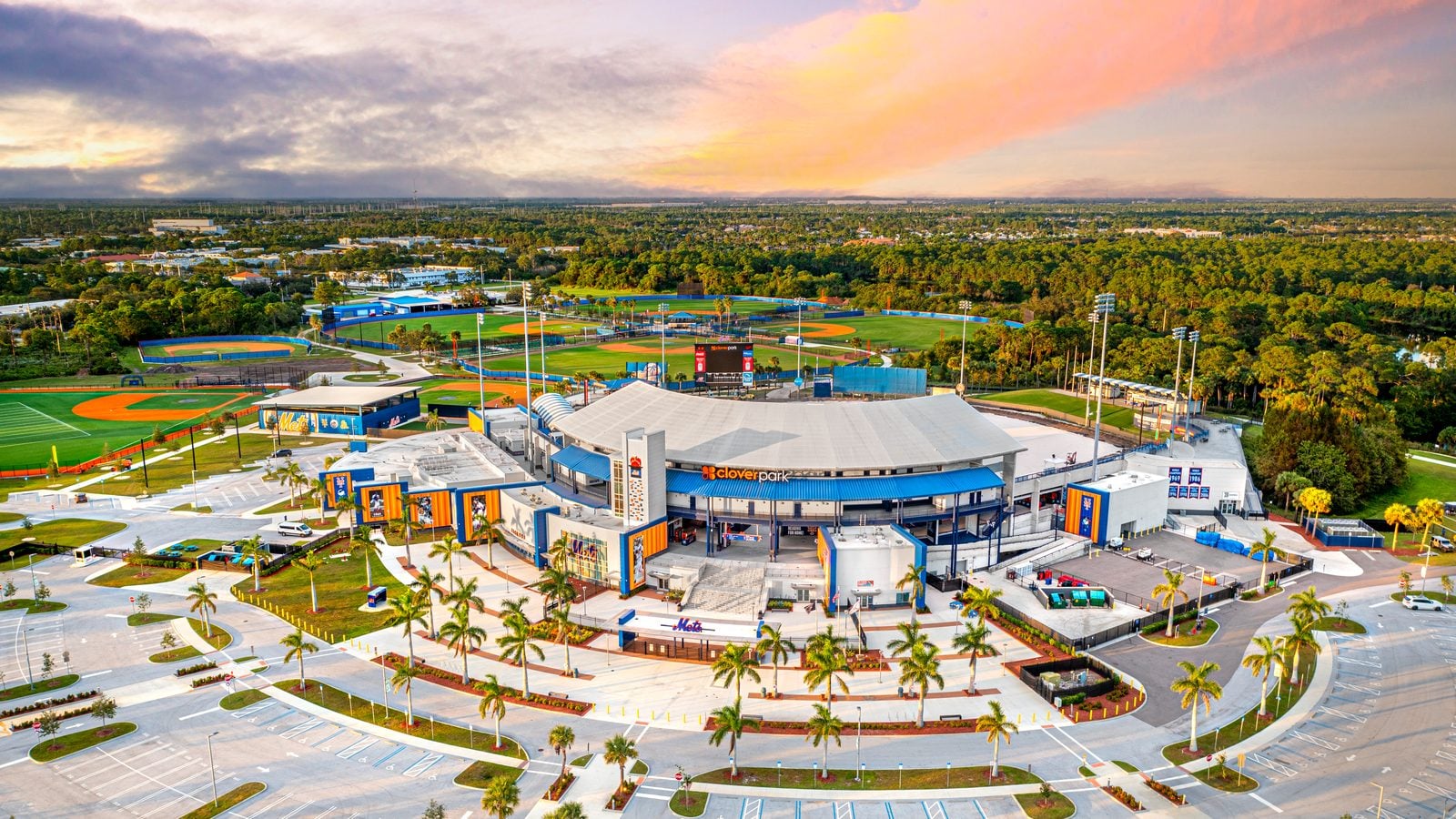
Photo: JonathanPuello, CC BY-SA 4.0, via Wikimedia Commons
Moving to Port St. Lucie, in short: Port St. Lucie is the largest city in St. Lucie County on Florida's Treasure Coast, with about 268,000 residents by the Census Bureau's 2025 estimate. Life here is suburban and built around the car, with the North Fork of the St. Lucie River running through town and ocean beaches a short drive east.
- CountySt. Lucie CountyLargest city in the county
- Population268,062Census Bureau July 2025 estimate
- Guarded beachesWaveland Beach & Pepper ParkOn Hutchinson Island, to the east
- HospitalsTwo full hospitalsHCA Florida St. Lucie and Cleveland Clinic Tradition
This guide is for people planning a move. It covers the parts of daily life that change when you move here: costs, beaches and parks, storms, utilities, schools, getting around, health care and your first month. If you are comparing neighborhoods and listings instead, start with my Port St. Lucie neighborhood and listings guide, and if you are already shopping for a house, my Port St. Lucie home buyer checklist covers sewer, tax bill lines and inspections.
Where is Port St. Lucie, and is it in Palm Beach County?
Port St. Lucie is in St. Lucie County on Florida's Treasure Coast, just north of Martin County. Fort Pierce, the county seat, is to the north, while Jensen Beach, Stuart and Palm City are across the county line to the south. That boundary matters, since property taxes, schools and storm plans follow the county.
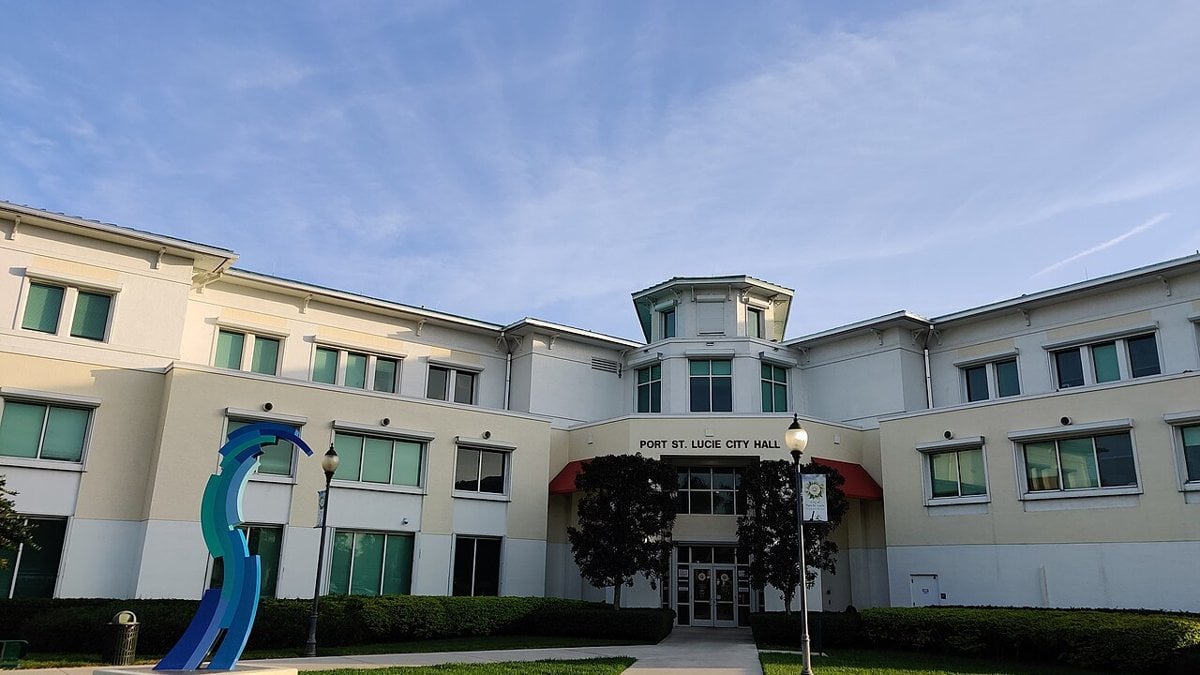
The city covers about 119 square miles of land, far more than its neighbors. The Census Bureau counted 204,851 residents in 2020, and its estimate for July 2025 was 268,062 (U.S. Census QuickFacts). According to the City, more than 60,000 new residents have arrived since 2020, and it has had to invest in roads, drainage, utilities and public safety (City of Port St. Lucie).
Two communities newcomers often ask about, St. Lucie West and Tradition, are both inside city limits. If you are deciding between those two areas, my comparison of Tradition vs. St. Lucie West covers the differences. Some homes with a Port St. Lucie mailing address sit outside the city, so check the parcel before you buy. My buyer checklist shows how to confirm an address is inside the City.
What does it cost to live in Port St. Lucie?
Your monthly cost comes down to five parts: the mortgage, property taxes, homeowners and flood insurance, HOA or CDD fees, and utilities. Florida has no personal income tax, which helps. The price of the house matters most, but taxes and insurance can change the total from one street to the next, so price each part for the exact home.
- No state income tax: Florida does not tax personal income (Florida Department of Revenue).
- City tax rate: The City Council lowered the municipal rate to 4.8750 mills for the 2026-27 budget year, down from 4.9750 (City of Port St. Lucie). That is only the City's slice, since the county, the school district and other taxing districts add their own lines. Use the St. Lucie County Property Appraiser tax estimator, then see my line-by-line guide to a Port St. Lucie tax bill.
- Homestead: If this will be your permanent residence, the homestead exemption reduces your taxable value and limits future increases. See how to file for homestead after you buy and what Amendment 3 means in St. Lucie County.
- Insurance: Request quotes on the actual address early, because premiums vary with the roof's age, the home's elevation and its flood zone. My Port St. Lucie flood zone and insurance checklist walks through it.
- HOA and CDD fees: Many newer communities charge one or both, and the amounts differ by neighborhood and by lot. Here is an explanation of how community development district fees work in Tradition.
For a rough benchmark, the Census Bureau puts the median monthly owner cost with a mortgage at $1,954 for 2020 to 2024 (U.S. Census QuickFacts). That figure is an older survey average across existing owners, not an estimate for a home you purchase today.
Does Port St. Lucie have a beach?
No ocean beach sits inside Port St. Lucie. The closest beaches are on Hutchinson Island, across the Indian River Lagoon to the east. St. Lucie County posts lifeguards at Waveland Beach and Pepper Park and allows dogs at Walton Rocks Beach, while Martin County's Jensen Beach Park is near the south end of town.
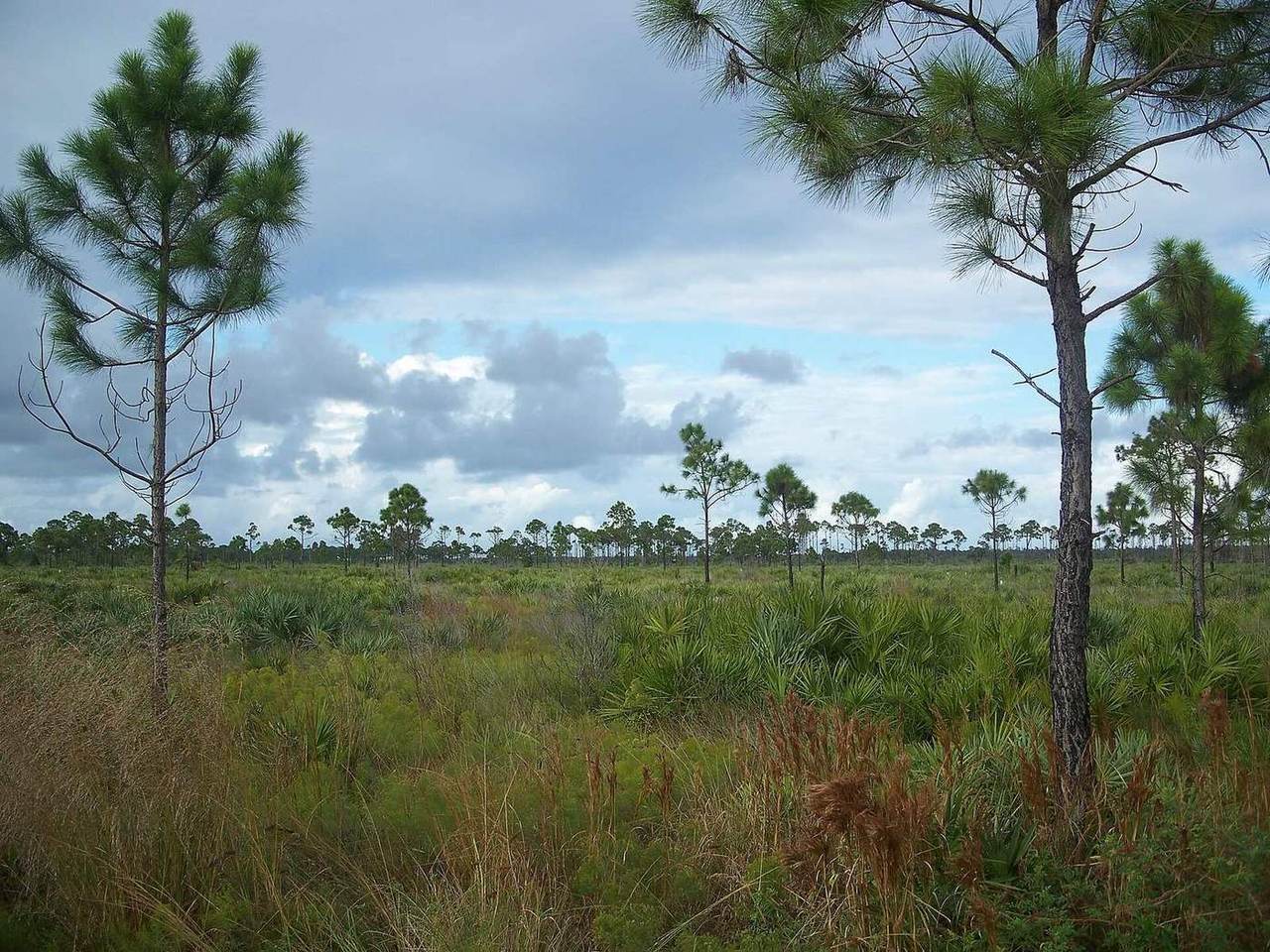
All St. Lucie County parks and beaches are open from dawn to dusk (St. Lucie County), and my South Hutchinson Island guide covers the homes and condos closest to the sand.
Closer to home, the city and the state manage several large natural areas:
- Savannas Preserve State Park at 2541 SE Walton Road protects a basin marsh and has more than 17 miles of trails for hiking, biking and horseback riding, with a $3 entry fee per vehicle (Florida State Parks). Because some launches and roads were closed after the November 2026 flooding, check the park's notices before you go.
- Torino Regional Park at 5601 North Torino Parkway is under construction, and the City expects the 195-acre park, its largest, to be complete by about December 2027 (City of Port St. Lucie).
Does Port St. Lucie have a downtown?
Port St. Lucie does not have an old main street like Stuart or Fort Pierce. Instead, the City has built The Port District as its riverfront gathering spot, which stretches 1.5 miles along the North Fork of the St. Lucie River with a boardwalk, gardens, a park, an event lawn and riverfront dining at The Grove.

Here is what the district includes, based on the City's description (City of Port St. Lucie):
- A 4,300-foot boardwalk follows the river and connects the main attractions.
- The 21-acre Botanical Gardens feature themed landscapes, a butterfly garden and event spaces.
- Pioneer Park covers 9.75 acres with an interactive playground, a water play area and public art.
- The Preserve is a 13-acre conservation area with walking trails and a canoe and kayak launch.
- The restored Peacock Lodge and House hold a history museum managed by the Port St. Lucie Historical Society.
The City holds River Nights there on the second Thursday of each month from October through April, with free live music and food trucks on the event lawn at 2454 SE Westmoreland Blvd.
Does Port St. Lucie get hurricanes, and how do you prepare?
Yes. Port St. Lucie is on Florida's Atlantic coast, and hurricane season runs from June 1 to November 30. The first two steps are to look up your evacuation zone on the county's Know Your Zone map and to sign up for Alert St. Lucie, which sends free emergency alerts by text, phone or email.
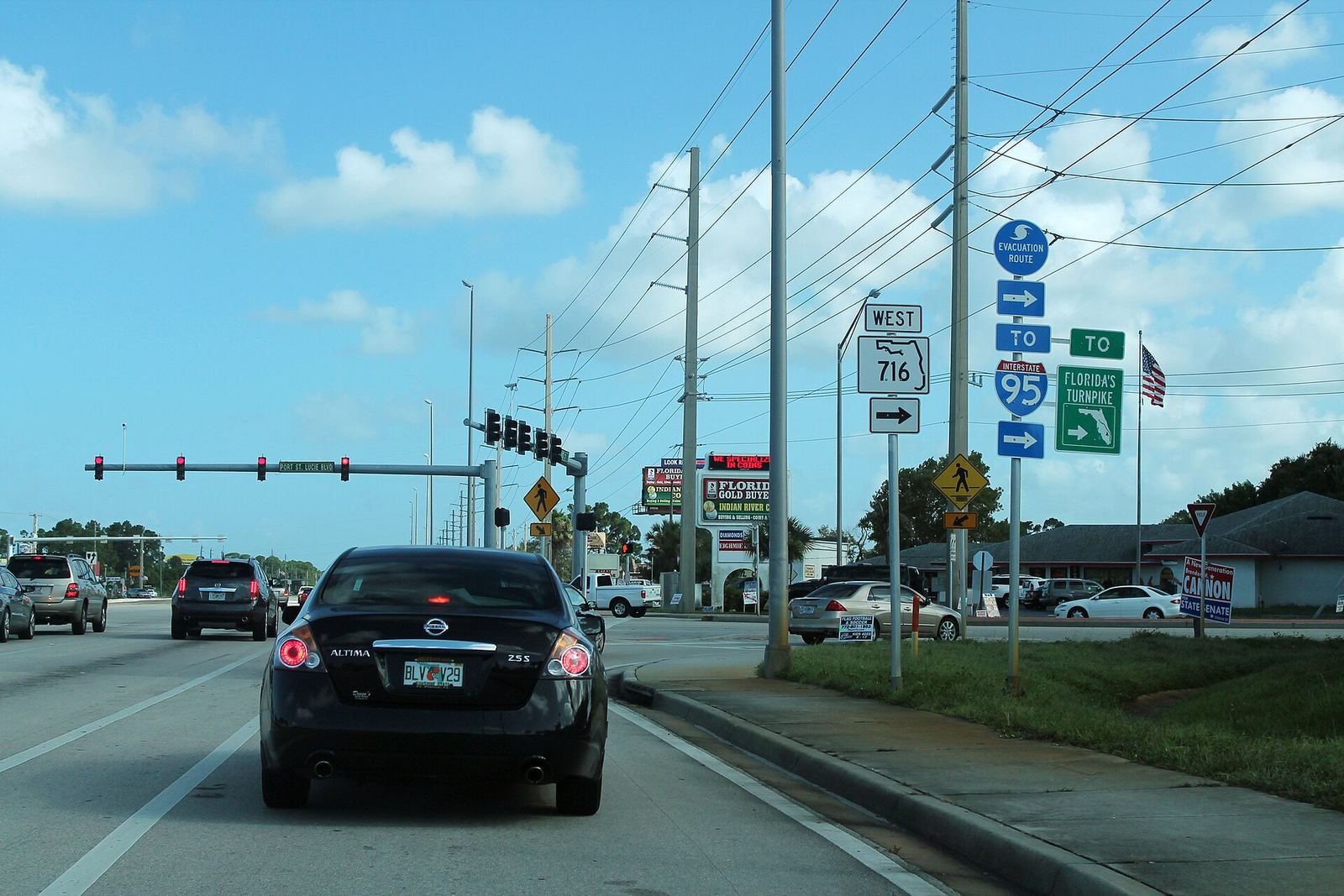
St. Lucie County uses two storm surge zones: Zone A covers areas that could see 1 to 10 feet of surge, and Zone B covers areas that could see 10 to 16 feet (City and county preparedness guide). You can find your zone at ReadyStLucie.org and register for alerts at stlucieco.gov/alert; the season dates come from the National Hurricane Center.
An evacuation zone is not the same as a flood zone, since one is about storm surge and the other drives insurance and building rules. My flood zone checklist explains the flood side.
The county's guidance on whether to stay or go comes down to three points (St. Lucie County):
- If you live in a mobile home, manufactured home or RV, be prepared to evacuate, even if you live inland and have tie-downs.
- If your home is well built to hurricane code, consider sheltering at home unless officials order an evacuation.
- If you do leave, staying with friends or family outside the evacuation zone is the best option, and public shelters are a last resort.
One more local detail: outdoor sirens in the 10-mile planning zone around the St. Lucie Nuclear Power Plant are tested on the first Thursday of March, June, September and December, and hearing a siren by itself does not mean you need to evacuate (preparedness guide).
Who provides water, sewer and electricity in Port St. Lucie?
Most Port St. Lucie homes get electricity from FPL and water and sewer from the City's Utility Systems Department. St. Lucie West has its own water provider, the St. Lucie West Services District, and some older homes still rely on a well and septic tank, so confirm the providers for your exact address before you close.
You can start City water service online with a photo ID, the service address and a start date. The deposit is $70 for water only or $180 for water and sewer, and the City refunds it after 18 months of on-time payments. Residential sewer charges stop at 8,000 gallons a month (City of Port St. Lucie Utility Systems).
For every provider by town, see my utilities by county and city guide. If a home is on septic, my buyer checklist covers City sewer hookups and the cost. For St. Lucie West, start at the St. Lucie West Services District.
Schools serving Port St. Lucie: which district, and how do you enroll?
St. Lucie Public Schools runs the public schools in Port St. Lucie as a single district for the whole county. The district uses a choice system, so your address determines which schools you can pick from. Check the district's student assignment page before you buy, and then apply during the window for your grade.
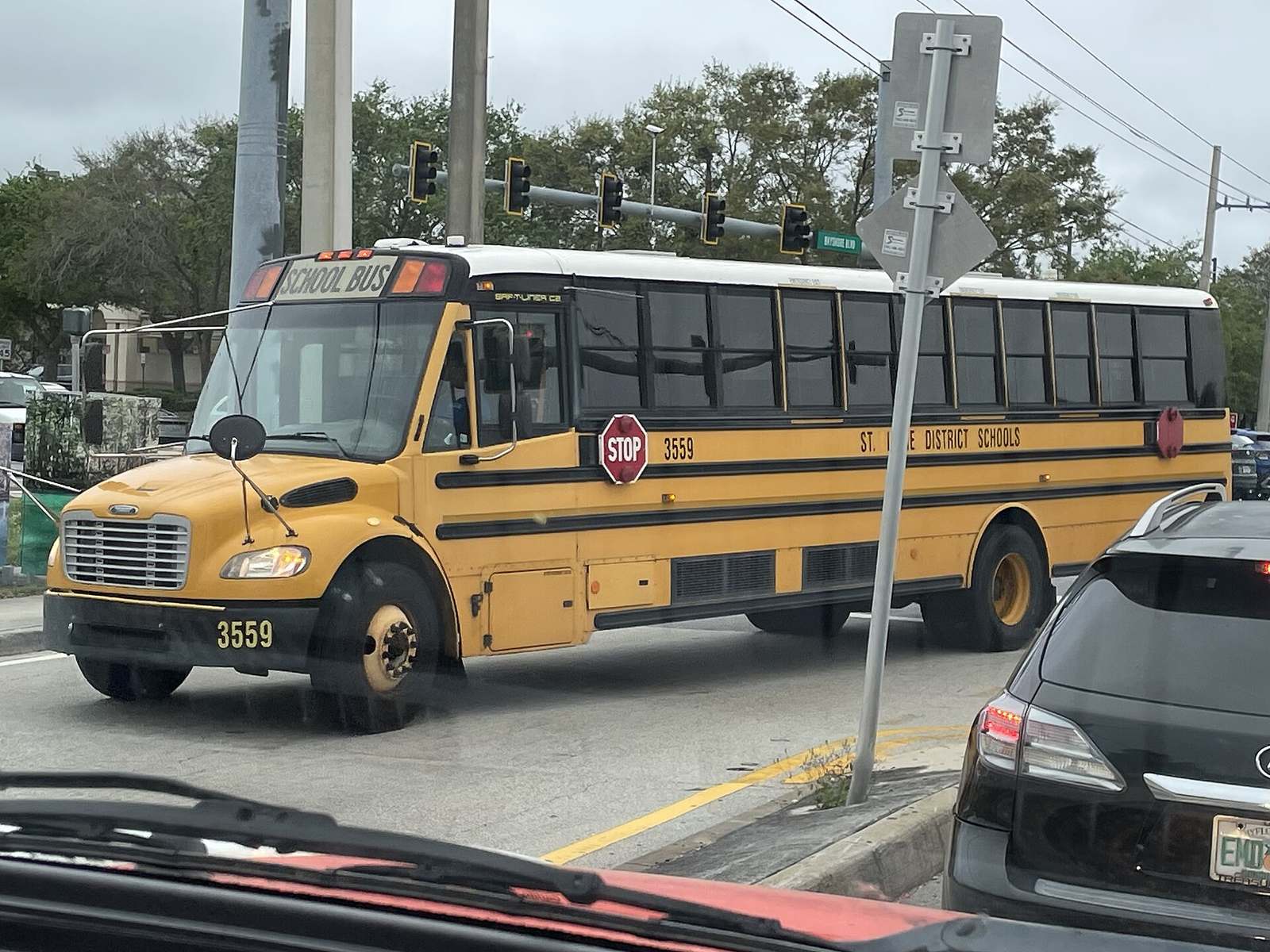
Start with the district's student assignment page, and see my Port St. Lucie buyer checklist for an explanation of the color-coded choice zones and high school assignments. For charter schools, magnet programs and Florida's scholarship options, read Florida school choice explained.
How long is the commute, and does Port St. Lucie have an airport?
Most people here drive, and the Census Bureau puts the average commute for Port St. Lucie workers at about 30.5 minutes each way for 2020 to 2024. I-95 and Florida's Turnpike both run through the city. There is no airline service inside Port St. Lucie, so most flights start at an airport north or south of the county.
Inside the city, Port St. Lucie Boulevard and Crosstown Parkway are the main routes across town. Commute data is from U.S. Census QuickFacts.
- Treasure Coast International Airport in Fort Pierce has been FAA-certified for airline flights since October 2024, but it had no scheduled airline service as of November 16, 2026 (Treasure Coast International Airport).
- Vero Beach Regional Airport, north in Indian River County, has scheduled Breeze Airways service (Vero Beach Regional Airport).
- Palm Beach International is the nearest major airport, a drive south on I-95 or Florida's Turnpike.
Where are the hospitals in Port St. Lucie?
Port St. Lucie has two full hospitals in the city. HCA Florida St. Lucie Hospital is at 1800 SE Tiffany Avenue, and Cleveland Clinic Tradition Hospital is at 10000 SW Innovation Way in Tradition. Both have an ER open all day and night. Before you need one, check which hospital your health plan covers.
HCA Florida St. Lucie Hospital lists 282 beds and a 24/7 ER (HCA Florida). Cleveland Clinic Tradition Hospital lists a 24-hour ER, same-day surgery and maternity care (Cleveland Clinic). If you live in the south end of town, Cleveland Clinic's two Stuart hospitals may be close too.
What should you do in your first 30 days after moving to Port St. Lucie?
Florida gives new residents 30 days to get a Florida driver license and 10 days to title and register a car once residency starts. In Port St. Lucie, the St. Lucie County Tax Collector handles both at its Walton Road and Tradition offices. Then set up utilities, sign up for alerts and plan your homestead filing.
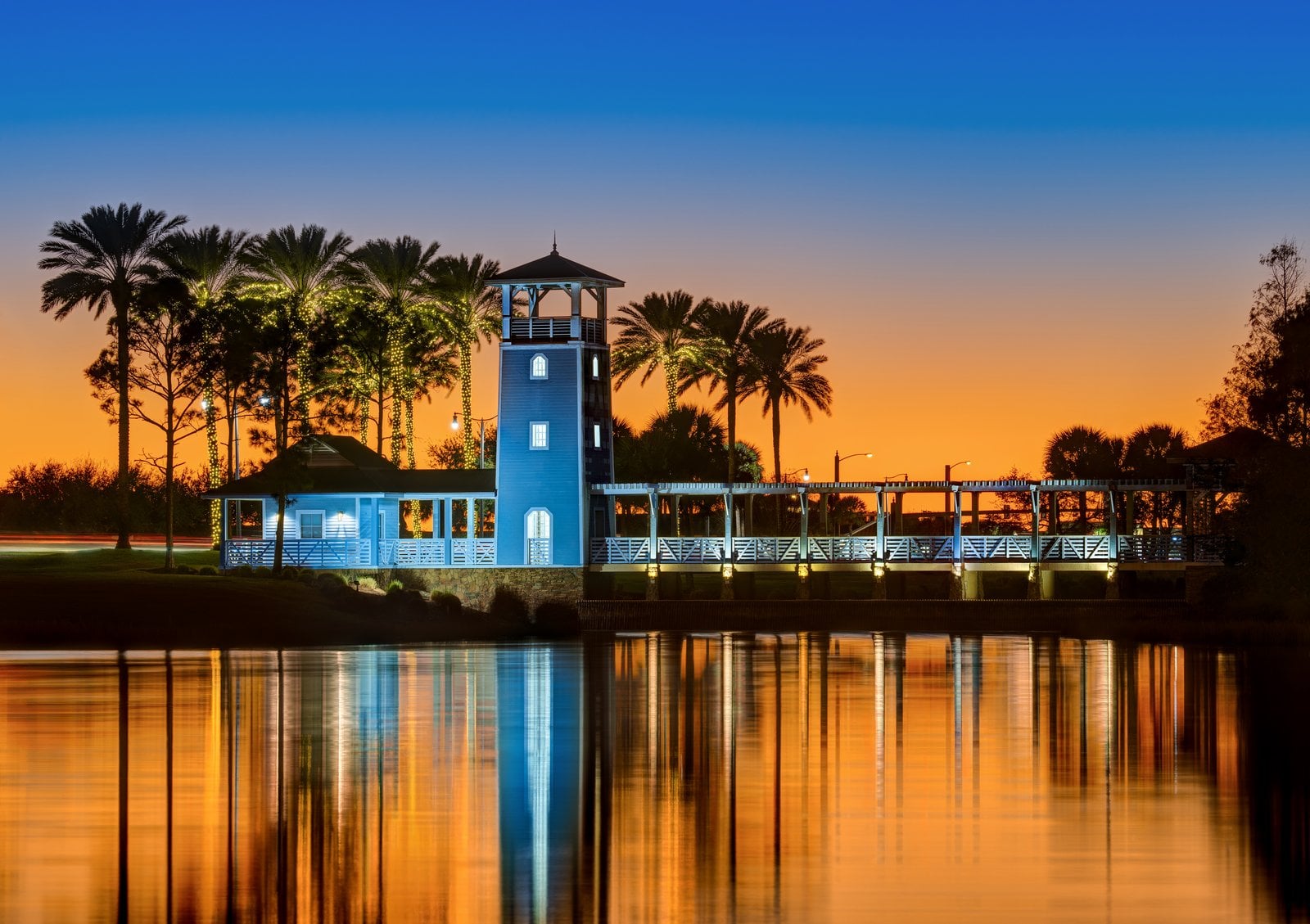
The state says residency can start when you take a job here, enroll a child in a public school, register to vote, file for homestead or live here more than six months in a row (FLHSMV).
- Driver license: Go in person. The Tax Collector's Walton Road office is at 1664 SE Walton Road. The Tradition office, at 10264 SW Village Parkway, has longer hours and Saturday appointments (St. Lucie County Tax Collector).
- Car insurance, title and tag: Buy a Florida auto policy first, then title and register within 10 days. If you have never had a Florida plate, expect a $225 initial registration fee (FLHSMV).
- Utilities: Start water and power in your name. See the section above.
- Voter registration: Update it with the St. Lucie County Supervisor of Elections.
- Homestead: File with the St. Lucie County Property Appraiser by March 1 for the year you qualify. Here is my step-by-step homestead guide.
- Alerts: Sign up for Alert St. Lucie and save your evacuation zone.
Explore Port St. Lucie homes and neighborhoods
When you are ready to look at homes, you can see homes for sale in Port St. Lucie on my area guide. My community guides cover PGA Village Verano, Tesoro Club, Portofino Isles, River Place, Lake Charles, Kings Isle and Esplanade at Tradition. Selling a home somewhere else first? See how I help with a move to the Treasure Coast. When it is time to sell here, read how to prepare a Port St. Lucie home to sell.
Port St. Lucie relocation FAQ