


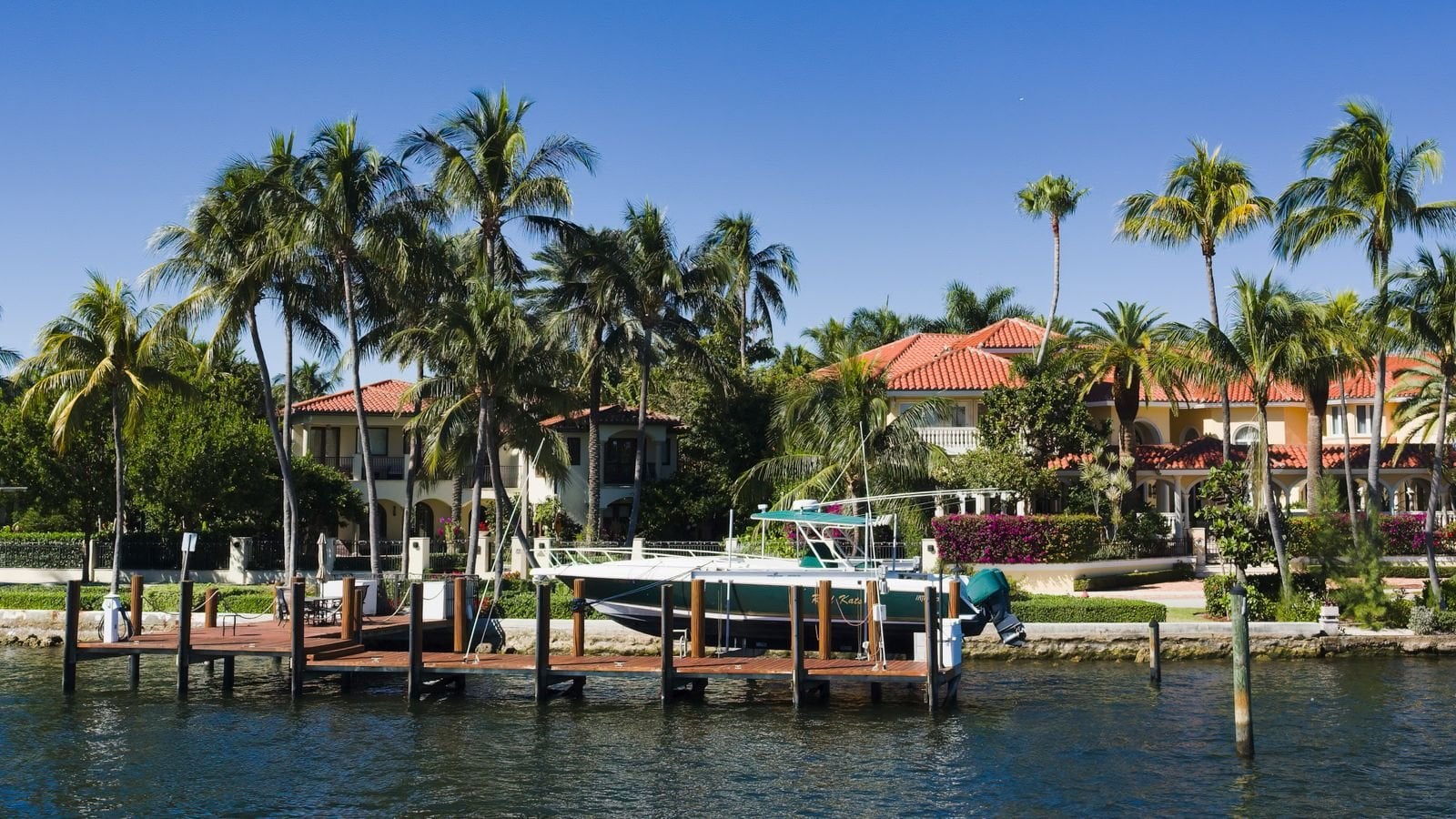
The short answer: To prepare your home to sell in Palm City, FL, start with Martin County, not a city hall. Search your permits in the County’s Accela portal, pull your septic or well records, and gather any dock or seawall permits. In a club or HOA community, order the disclosure summary and estoppel early. On acreage, check for agricultural classification.
By Jeremy Beckham, REALTOR®, SFR | Last updated: November 10, 2026
Palm City sits across the St. Lucie River from Stuart, and after 17 years of selling homes on the Treasure Coast, I can tell you it doesn’t sell like Stuart. One street has a riverfront home with a dock. The next has a villa inside a guard-gated golf club, and a few miles west there are homes on acreage with a well and a septic tank. Each one needs a different seller file.
For the general Florida prep list, including roof age, the 4-point inspection, wind mitigation, staging and the flood disclosure, start with my Stuart seller prep checklist. This post covers what’s specific to Palm City. Every rule and number below comes from a county, state or association source listed at the bottom.
Key takeaways
- Palm City is unincorporated Martin County, so the County Building Department in Stuart holds your permit history. Search it in Accela Citizen Access without a login.
- Martin County says almost all permitted development in unincorporated Martin County requires floodplain review, and a re-roof needs a building permit before work starts.
- In a Palm City club community, the estoppel can list several associations plus any capital contribution or transfer fee. Clubs like Harbour Ridge require membership with home ownership, so ask how it transfers before you list.
- Docks, boatlifts and seawalls each need a Martin County permit. A seawall permit is based on a DEP permit or exemption.
- Septic and well site plans for most Martin County homes can be pulled online from the Florida Department of Health in Martin County.
- If your acreage has agricultural classification, the Property Appraiser removes it when the property sells. Tell buyers early.
Palm City seller checklist at a glance
| When | Task | Why it matters in Palm City |
|---|---|---|
| 8 weeks out | Search your address in Martin County’s Accela Citizen Access | Open or unfinaled permits on roofs, docks, pools and additions surface in the buyer’s search |
| 8 weeks out | Request your HOA or club disclosure summary, documents and estoppel process | Club and multi-association files take the longest to assemble |
| 8 weeks out | Ask the club how membership transfers and what fees the buyer pays at closing | Some Palm City clubs require membership with home ownership |
| 6 weeks out | Gather dock, boatlift and seawall permits and any DEP paperwork | Waterfront buyers and their inspectors ask for them first |
| 6 weeks out | Pull septic and well site plans from the Florida Department of Health in Martin County | Buyers on acreage want the system’s location and permit history |
| 6 weeks out | Find your elevation certificate on the County’s FEMA Flood Zones Map | Waterfront and low-lying buyers price flood insurance before they offer |
| 4 weeks out | Check the Property Appraiser record for agricultural classification | It’s removed at sale, and the buyer’s taxes are based on market value afterward |
| 2 weeks out | Pump and service the septic, clean the dock, trim the waterline, stage the lanai | First impressions on the water and the driveway |
| Contract signed | Order the estoppel certificate from each association | A master, village and club association may each issue one |
Why is selling in Palm City different from selling in Stuart?
Palm City isn’t a city government. The Census Bureau lists it as a census-designated place, and the Bureau defines CDPs as statistical areas for “closely settled, unincorporated communities.” Martin County Commission District 5 covers “western Martin County,” which the County says “includes Palm City and part of Indiantown.”
For a seller, that means three things. Your permits live with the Martin County Building Department at 900 SE Ruhnke Street. Your water and sewer, if public, come from Martin County Utilities, which serves unincorporated Martin County. And your flood insurance discount comes from the County’s rating. I compare the two in detail in Palm City vs. Stuart.
How do you check for open permits in Palm City?
Martin County’s permit system is Accela Citizen Access. The County says you don’t need a login to search permits or permit status. You’ll need the record number, the house number and street name, or the contractor’s name. From the home page, choose Advanced Search, then Search Records / Applications, then Building.
Look at the inspection status, not just the permit number. A roof, generator, pool enclosure or dock permit that was issued but never finaled is the kind of thing a title search or buyer’s inspector finds. If records are missing online, the County lets you request copies of permit files, plans and surveys. Emailed copies are free, and a disk is $1.
Martin County lien searches go through its partner, Orange Data. If you know about an old code case, clear it before you list.
Two rules from the County’s flood protection page change how I prep Palm City homes:
- “Any new structure or improvement to a structure, whether it is an addition, alteration, re-roof, etc. must have a building permit prior to the start of construction.”
- “Almost all permitted development within unincorporated Martin County requires floodplain review.”
If you want a new roof or a seawall repair done before listing, start early.
What paperwork do Palm City HOAs and clubs require when you sell?
Many Palm City sales run through a gated HOA or a private club, like Martin Downs, Harbour Ridge, Piper’s Landing, Palm Cove, Highlands Reserve or Evergreen. Florida law sets the base paperwork, and the club adds its own.
The disclosure summary and estoppel
The Florida rules are the same here as anywhere in the state. The HOA disclosure summary goes to the buyer before they sign, and the association issues an estoppel certificate showing what the home owes. I cover the deadlines and the state’s estoppel fee caps in my Tradition seller guide. Order both early.
Two items on the estoppel form (section 720.30851) matter in Palm City clubs. Item 6 asks whether “a capital contribution fee, resale fee, transfer fee, or other fee” is due. Item 10 asks for “a list of, and contact information for, all other associations of which the parcel is a member.” In a community with a master association, a village association and a club, that list can be long, and each one may need its own paperwork.
Club membership
Ask your club how membership transfers before you list. Harbour Ridge says “membership at Harbour Ridge is required with home ownership within our private gated community.” Piper’s Landing calls itself a “Resident Member Only golf community” and “a unique equity member-owned, private Club.” Ask the club office what a new member pays and get its current fee schedule for your seller packet. Any capital contribution or transfer fee owed at closing shows up on the estoppel’s item 6.
Not every Palm City association works this way. Four Rivers, Rustic Hills and Cobblestone each run differently, so read your own documents before you assume what a buyer will owe.
What should you have ready if your Palm City home has a dock or seawall?
Martin County’s Building Department says “a permit is required to construct a dock and/or boatlift in Martin County,” and the same for a seawall. Find the permits for your dock, lift and seawall, and check that each one was finaled in Accela.
The County’s Residential Seawall Checklist explains why the paperwork stacks up. It says the Florida Department of Environmental Protection “must provide either a permit, or an exemption from permit, for any construction on the water,” and the County bases its approval on that. New seawalls also need an environmental waiver from the Growth Management Department. Docks now follow the Florida Building Code, which the County’s April 22, 2025 ordinance summary says requires dock drawings “signed and sealed by a Florida design professional.”
There’s a state layer too. DEP explains that most land under navigable or tidal waters belongs to the state. Building over it takes consent, a lease or an easement from the Board of Trustees, unless your deed shows the project isn’t on state-owned submerged lands. If your dock has a DEP authorization or a submerged lands document, put a copy in the file.
In a club marina, like Piper’s Landing’s 49 slips for boats from 25 to 85 feet, ask how slip rights work when a home sells.
Is your Palm City home on septic or sewer?
Find out before a buyer asks. Martin County Utilities provides water and wastewater service to unincorporated Martin County, but many Palm City homes, especially on larger lots, use a septic tank, a private well or both. Some communities have their own systems. Harbour Ridge, for example, lists a water treatment facility among its on-site services.
The Florida Department of Health in Martin County still handles septic permitting and inspection, even though DEP took over the state program on July 1, 2021. Its website explains how to look up your septic or well site plan online through eBridge, with the public login it publishes. Print the site plan for your seller packet.
If you’re on septic, I suggest having it pumped and inspected before listing so you have a recent report to hand over. If you’re on a well, a recent water test answers the next question.
What if sewer is coming to your street?
Martin County’s Connect to Protect program converts residential septic systems to County sewer. Smaller communities, under 300 homes, get individual grinder stations. The County lists the installed grinder system at $10,000, or $8,000 if the owner connects within 365 days of the new force main being available. Larger communities get vacuum systems, paid through a special assessment on the property tax bill over 20 years, and the County says “the balance can be paid off at any time.” If your home has that assessment, tell the buyer and find out the payoff.
What changes when you sell Palm City acreage?
An acreage sale works differently from a subdivision sale. Along with the septic and well records, check the Martin County Property Appraiser record for agricultural classification. The Property Appraiser says that when the property is sold, “the agricultural classification is removed and a new application must be made.” It also warns that when ag classification comes off, the land “will be reset to the current market value.”
A buyer who wants the classification must apply on their own by March 1, with bona fide commercial use in place by January 1. If you’re homesteaded and buying again in Florida, read whether you’ll lose your Save Our Homes benefit when you sell in Martin County.
How should you handle flood questions on a Palm City home?
My Stuart checklist covers Florida’s flood disclosure. The Palm City piece is the elevation certificate. Martin County Public Works says it has most elevation certificates on record for homes built after 1991 in a FEMA special flood hazard zone. Enter your address on the County’s FEMA Flood Zones Map. If your property shows a yellow dot, select it and open the elevation certificate link.
Martin County is a Class 5 community in FEMA’s Community Rating System. The County says that gives unincorporated residents a 25% flood premium reduction in a Special Flood Hazard Area and 10% outside one.
When should you list, and how do you stage a Palm City home?
Many of my Palm City buyers are seasonal residents and boaters who start looking after the holidays, so I like listings photo-ready in January. On the water, stage the dock as much as the living room. Pressure-wash it, coil the lines, and shoot photos at the time of day the light hits the water. On acreage, mow everything and mark the corners.
Then price it from recent sales in your own neighborhood, not Palm City averages. A Martin Downs villa and a Piper’s Landing estate are different markets. Here’s how I source my numbers, what to expect in seller closing costs in Florida, and what happens after you accept an offer. My sellers page explains how I market homes.
Frequently asked questions
Do I need a permit search before selling a home in Palm City?
It’s the first thing I do. Palm City is unincorporated, so search Martin County’s Accela Citizen Access by your house number and street name. No login is needed. Close out anything that was never finaled before a buyer finds it.
Does the buyer have to join the club when I sell in Palm City?
In some communities, yes. Harbour Ridge says membership is required with home ownership, and Piper’s Landing describes itself as a resident-member-only equity club. Other associations work differently, so get your club’s membership rules and fee sheet before you list.
What permits do I need to show for a dock or seawall in Martin County?
Martin County requires a building permit for a dock, a boatlift and a seawall. A seawall permit is based on a DEP permit or exemption, and docks follow the Florida Building Code with signed and sealed drawings. Show the buyer each permit and its final inspection.
How do I find my septic permit in Martin County?
The Florida Department of Health in Martin County explains how to search septic and well site plans online through eBridge, using the public login on its website. Print the site plan for your seller packet.
What happens to agricultural classification when I sell my Palm City acreage?
The Martin County Property Appraiser removes it when the property sells. The new owner has to apply again and qualify with bona fide commercial agricultural use. Otherwise, the land is assessed at market value.
Ready to sell in Palm City?
If you’re getting ready to sell in Palm City or anywhere in Martin County, call or text me at 772.475.5371. I’ll walk the property with you, pull your permits, septic and association records, and build the seller packet before we list.
Browsing homes in Palm City? See my Palm City homes for sale page.
About the author
Jeremy Beckham, REALTOR®/SFR with NextHome Treasure Coast, 17 years helping buyers and sellers from Fort Pierce and Port St. Lucie south through Martin County and the Palm Beaches. His office is at 414 S Colorado Ave in Stuart.
This post is general information, not legal, tax or insurance advice. Association and club rules differ by community, and fees and forms change. Confirm details with your association, Martin County and a Florida real estate attorney.
Sources
- U.S. Census Bureau, QuickFacts: Palm City CDP, Florida and Census Designated Places
- Martin County, District 5 Commissioner (“includes Palm City and part of Indiantown”)
- Martin County, Building Permit Status (Accela Citizen Access, no login needed)
- Martin County, Request Copies of Building Plans, Blueprints, Surveys, and/or Permit Records
- Martin County, Lien and Records Search
- Martin County, Flood Protection (permits, floodplain review, CRS Class 5)
- Martin County, Elevation Certificates
- Martin County, Dock and/or Boatlift Permit Requirements and Residential Seawall Checklist
- Martin County Board of County Commissioners, File 25-0871, Dock Building Code ordinance, April 22, 2025
- Florida Department of Environmental Protection, Construction Criteria for Docks, Piers, and Marinas
- Martin County, About the Utilities & Solid Waste Department and Connect to Protect
- Florida Department of Health in Martin County, Septic Systems
- Martin County Property Appraiser, Agricultural Classification
- The Florida Senate, section 720.30851, Florida Statutes (2026), estoppel certificate form items 6 and 10
- Harbour Ridge Yacht & Country Club, Our Community
- Piper’s Landing Yacht & Country Club, About Us and Private Marina