


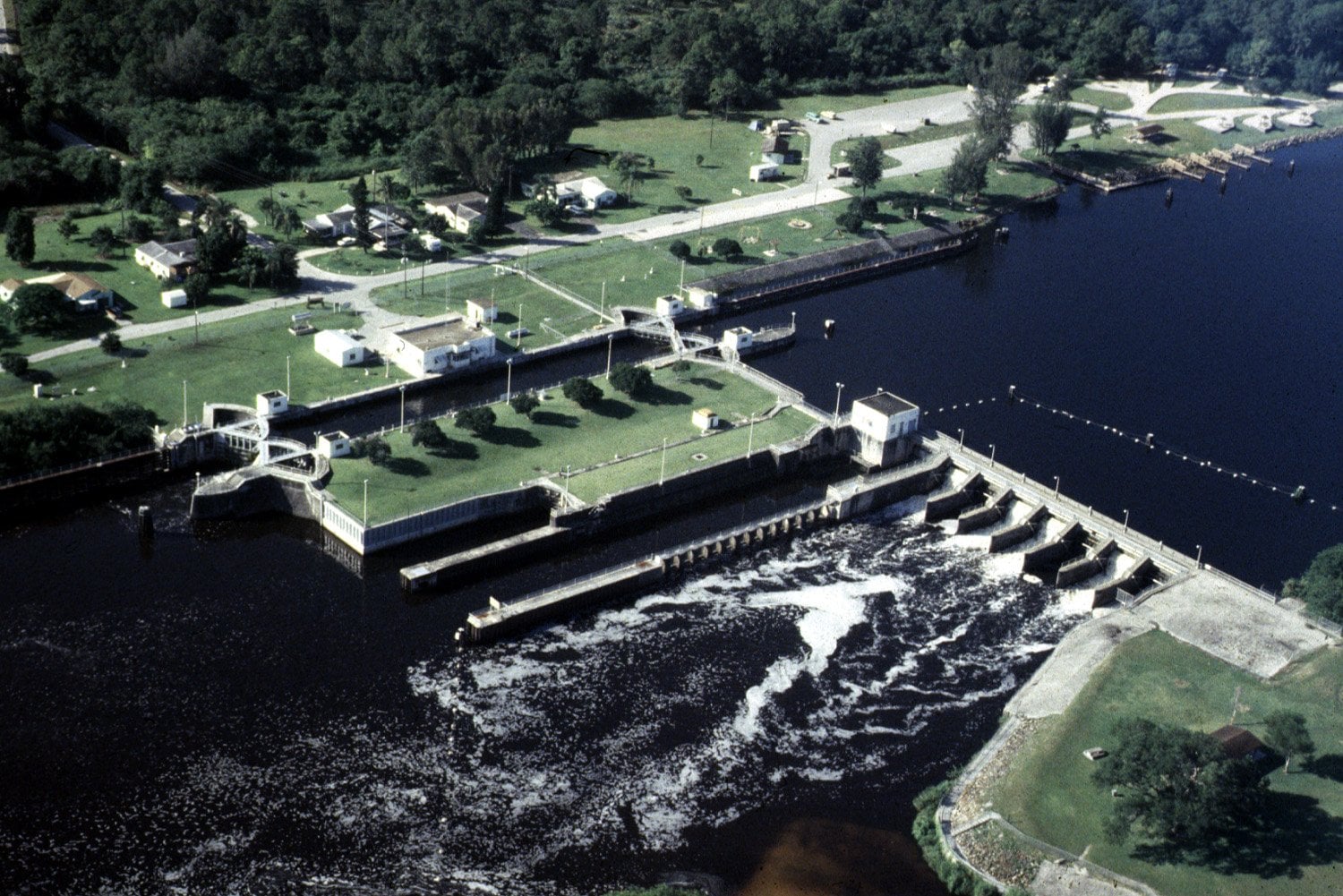
Port St. Lucie is not one flood zone. Each address has its own FEMA zone, shown on FEMA’s Flood Map Service Center and the City’s flood map. An A or V zone means flood insurance is required on a federally backed mortgage. Citizens policies with wind coverage need flood coverage at renewals on or after January 1, 2027.
Last updated: November 9, 2026
A week ago this topic was a paperwork question. Then the rain came. St. Lucie West Services District reported 26.44 inches over the weekend that ended Monday, November 2, including 19.62 inches in 12 hours that Monday, against a forecast of 2 to 3 inches. The City’s November 3 advisory listed 47 road locations that had been closed, and flood zones are suddenly on a lot of minds.
I’ve spent 17 years helping people buy and sell homes from the Treasure Coast down through Palm Beach County, and flood questions come up often in Port St. Lucie. Here is the checklist I use, with the official sources for each step so you can check my work.
Key takeaways
- Your flood zone belongs to your address, not your city. Look it up before you write an offer.
- A and V zones are FEMA’s high-risk Special Flood Hazard Areas. Flood insurance is mandatory there if your mortgage is federally backed.
- Zone X does not trigger the federal requirement, but your lender can still require flood coverage, and the City says most flooding in Florida happens outside the high-risk zones.
- If your home is insured with Citizens and the policy includes wind, you’ll need flood coverage at your first renewal on or after January 1, 2027, whatever your zone.
- Florida sellers must give buyers a flood disclosure at or before the contract is signed.
- NFIP policies usually take 30 days to start, but a policy bought in connection with your mortgage closing can start at closing.
Quick facts for Port St. Lucie
| Item | What the official source says |
|---|---|
| Where to look up a zone | FEMA Flood Map Service Center, or the City of Port St. Lucie flood zone map |
| High-risk zones | A, AE, AH, AO, AR, A99, V and VE |
| Moderate and lower-risk zones | Shaded X (moderate) and unshaded X (lower) |
| Federal insurance requirement | Required in A and V zones for federally backed mortgages |
| City flood insurance discount | Class 5 in FEMA’s Community Rating System: 25% off NFIP policies in the high-risk zones, 10% elsewhere |
| NFIP waiting period | Usually 30 days; none when bought in connection with a loan closing |
| NFIP building coverage cap | $250,000 under the regular program |
| Citizens requirement | All remaining wind-covered personal residential policies need flood coverage effective on or after January 1, 2027 |
| Seller flood disclosure | Required at or before contract under Section 689.302, Florida Statutes |
How do I look up my flood zone in Port St. Lucie?
You have two official tools, and I use both.
- FEMA Flood Map Service Center. Go to msc.fema.gov, type the full street address, and open the map. You’ll see the zone, the map panel number and the date that panel took effect.
- The City’s flood zone map. The City of Port St. Lucie Flood Mitigation and Insurance page links to its interactive flood zone map. The City’s GIS page also has a property search that pulls up the St. Lucie County Property Appraiser’s card for the parcel.
When I pull a zone for a buyer, I zoom in on the lot lines. A boundary can run through a backyard or along a canal bank, and that changes the conversation with a lender. If the map line is close to the house, ask your insurance agent how they’ll rate it before you finish your inspection period.
What do the zone letters mean?
FEMA’s FloodSmart zone guide breaks it down this way:
- A zones (A, AE, AH, AO, AR, A99) are high-risk areas. FloodSmart ties them to nearby ponds, streams, rivers or similar water.
- V and VE zones are high-risk coastal areas with added wave hazard.
- Shaded X (or B) is moderate risk, usually between the 100-year and 500-year flood limits.
- Unshaded X (or C) is lower risk, above the 500-year level. FloodSmart still recommends flood insurance there.
- Zone D means FEMA hasn’t studied the flood risk there.
The “100-year flood” label confuses almost everyone. The City’s glossary defines it as a flood with a 1% or greater chance of happening in any given year. Over a 30-year mortgage, that adds up.
What is a base flood elevation, and why does my insurance agent care?
The base flood elevation, or BFE, is FEMA’s estimate of how high water would rise in that 1% annual-chance flood, measured against sea level. The City’s page makes a point I repeat to buyers: the BFE is not the depth of the water. You compare it with the elevation of the house to estimate depth. That comparison is what an elevation certificate shows, and it can affect what a flood policy costs.
If the home has had work done in a flood zone, ask the City’s Building Department (772-871-5132) whether an elevation certificate is on file. Otherwise a licensed surveyor can prepare one.
Do I need flood insurance in Port St. Lucie?
There are three separate triggers, and people tend to blend them together.
1. Your lender, if you’re in an A or V zone
If the home sits in a Special Flood Hazard Area and your mortgage is federally backed, flood insurance is required as a condition of the loan. That comes straight from FloodSmart. The federal consumer help site HelpWithMyMortgage.gov adds the part buyers miss: even outside the high-risk area, a lender can require flood coverage as part of your loan contract.
2. Citizens, if that’s your homeowners carrier
This one matters more each year in St. Lucie County. Florida law phased in a flood requirement for Citizens Property Insurance policyholders. According to Citizens, policies with wind coverage needed flood insurance on this schedule:
- Homes in a FEMA high-risk zone: new policies from April 1, 2023, renewals from July 1, 2023
- Dwelling replacement cost of $600,000 or more: January 1, 2024
- $500,000 or more: January 1, 2025
- $400,000 or more: January 1, 2026
- All remaining policies: January 1, 2027
Citizens’ requirement sheet says the flood policy’s dwelling coverage should equal or exceed your Citizens Coverage A limit. If the NFIP can’t go that high, Citizens accepts the NFIP maximum, which is $250,000 for building coverage under the regular program. Condo unit-owner policies, tenant contents policies and policies that exclude wind are not required to buy flood under this rule.
Citizens also points out that private insurers aren’t required to ask for flood coverage to write a policy. A private quote that looks higher than Citizens can come out lower once you add the flood premium Citizens would require. When I help buyers compare insurance, I ask them to line up the full cost, wind and flood together.
3. Your own risk tolerance
Even with no lender requirement and no Citizens policy, the City is blunt about it: homeowners and renters insurance does not cover flood damage, and most flooding in Florida happens outside the high-risk zones. The City’s flood page also notes that one inch of water can cause $25,000 in damage.
How much does flood insurance cost in Port St. Lucie?
I won’t give you a number, because it depends on the specific house, its elevation, its zone and the coverage you pick. What I can tell you is how the City helps.
Port St. Lucie takes part in FEMA’s Community Rating System. The City says it has participated since 1991 and moved from Class 8 to Class 5 in 2024. At Class 5, NFIP policies in the high-risk zones get a 25% discount and policies elsewhere get 10%, as long as the City keeps that rating.
Get a real quote on the actual address during your inspection period. A quote on “a house like it” is not good enough.
When does a new flood policy start?
Most NFIP policies have a 30-day waiting period, which the City reminds residents about on its flood page. The Florida Department of Financial Services lists the main exceptions:
- If you buy the policy in connection with making, increasing, extending or renewing a loan, there’s no waiting period. Coverage starts at the loan closing, provided you apply and pay at or before closing.
- If you buy within 13 months after a flood map revision for your community, the wait is one day.
The second point matters most for current owners. If you already own in Port St. Lucie and you’re thinking about flood coverage after what we saw this month, the 30-day clock starts when you buy. For Citizens customers renewing in early 2027, count back 30 days from your renewal date.
FEMA’s Q&A for real estate professionals adds one more option for buyers: a seller can transfer an existing NFIP policy to the new owner, whether or not there’s a mortgage. Ask for the seller’s declarations page early so your agent can compare it with a new quote.
What does a Florida seller have to disclose about flooding?
Under Section 689.302, Florida Statutes, a seller of residential property must give the buyer a flood disclosure at or before the contract is signed. The seller has to answer three questions:
- Do they know of any flooding that damaged the property while they owned it?
- Have they filed a flood damage claim with any insurer, including the NFIP?
- Have they received help for flood damage, including FEMA assistance?
The form defines flooding broadly. It includes overflow of inland or tidal waters, a rapid buildup of runoff or surface water from a source like a drainage ditch, and long periods of standing water from rainfall.
If you’re selling in Port St. Lucie after the November 2 storm, fill this out honestly and early. If you’re buying, read it before you sign, and then ask follow-up questions during inspections.
Which parts of Port St. Lucie have repeat flood claims?
The City publishes this. Its flood page names repetitive loss areas bordering the St. Lucie River and areas just west of I-95 from roughly Becker Road to Tradition. A repetitive loss property, in the City’s glossary, has had two or more NFIP losses of at least $1,000 each paid within any 10-year period since 1978.
A repetitive loss area is not a reason to cross a neighborhood off your list. It is a reason to ask more questions: elevation, drainage, past claims and what the seller’s disclosure says. The City’s Public Works Department will give retrofitting and drainage advice and can schedule a site visit.
What should Port St. Lucie owners do after the November 2026 flooding?
If water got into your home, the City asks you to report it to 1PSL at 772-871-1775. The City says those reports help document storm damage and support its effort to seek FEMA disaster assistance. A report does not replace an insurance claim, so call your insurer as well.
The City also opened a Disaster Relief Program on November 5 through the State Housing Initiatives Partnership program. Income-eligible homeowners may receive up to $25,000 as 0% interest deferred loans, forgiven over five years. To qualify, you must meet income guidelines, have owned and lived in the home inside city limits for at least a year, have an assessed value of $560,154 or less, and be current on your mortgage and property taxes. The City allocated $1 million, and applications are reviewed first-come, first-served. Details are in the City’s program announcement.
My Port St. Lucie flood checklist
Before you write an offer:
- Look up the zone on FEMA’s map and the City’s map.
- Note the map panel and its effective date.
- Ask the listing agent for the seller’s flood disclosure.
During your inspection period:
- Get a flood quote on the exact address, plus a wind and homeowners quote, and compare the totals.
- Ask whether an elevation certificate exists.
- Ask the seller whether their NFIP policy can be assigned to you.
- Walk the street after a heavy rain if the timing allows, and look at the drainage swales and the back of the lot.
Before closing:
- Apply and pay for flood coverage at or before closing so the loan exception applies.
- If you’ll be with Citizens, confirm what proof of flood coverage they need at your effective date.
If you own already:
- Find your Citizens renewal date and count back 30 days.
- Store photos of your home and contents somewhere off-site, as the City recommends.
For more on Port St. Lucie neighborhoods, start with my Port St. Lucie area guide. If you’re still early in the process, my Florida home buyer’s guide covers the whole path, and my post on the Florida inspection period explains how much time you have to get these answers.
If you want me to pull the flood zone and map panel for a Port St. Lucie address you’re looking at, call or text me at 772.475.5371.
Frequently asked questions
Is all of Port St. Lucie in a flood zone?
No. Every property has its own FEMA zone. Look up the exact address on FEMA’s Flood Map Service Center or the City’s flood zone map.
How do I find out if a house in Port St. Lucie is in a flood zone?
Enter the address at msc.fema.gov, or use the interactive flood zone map linked from the City’s Flood Mitigation and Insurance page. Write down the zone and the map panel date, then share both with your insurance agent and lender.
Is flood insurance required in Zone X in Port St. Lucie?
Federal rules don’t require it in Zone X. A lender can still require it as part of your loan contract. If your homeowners policy is with Citizens and includes wind, you’ll need flood coverage at renewals on or after January 1, 2027, regardless of zone.
Does Citizens require flood insurance in 2027?
Yes. Citizens says all remaining personal residential policies with wind coverage need flood insurance effective on or after January 1, 2027. Condo unit-owner policies, tenant contents policies and policies that exclude wind are exempt.
How long does it take for flood insurance to start?
NFIP policies usually have a 30-day waiting period. If you buy the policy in connection with your mortgage closing and pay at or before closing, coverage can start at closing. A one-day wait applies during the 13 months after a flood map revision.
Do Port St. Lucie residents get a flood insurance discount?
Yes. The City is a Class 5 community in FEMA’s Community Rating System. That gives NFIP policyholders a 25% discount in the high-risk zones and 10% elsewhere, as long as the City keeps the rating.
Does a seller have to tell me if the house flooded?
Yes. Florida law requires a written flood disclosure at or before the contract is signed. The seller must say whether they know of flood damage during their ownership, whether they filed a flood claim, and whether they received flood assistance.
About the author
Jeremy Beckham is a REALTOR and SFR with NextHome Treasure Coast at 414 S Colorado Ave, Stuart. He has 17 years of experience helping buyers and sellers from Fort Pierce and Port St. Lucie south through Palm Beach County. Reach him at 772.475.5371 or [email protected].
This post is general information, not insurance or legal advice. Flood maps, premiums and Citizens rules change, so confirm your property’s details with FEMA, your lender and a licensed insurance agent.
Sources
- City of Port St. Lucie, Flood Mitigation and Insurance (CRS Class 5 discounts, 30-day wait, repetitive loss areas, glossary, Building Department phone)
- City of Port St. Lucie, Access your essential flood reports (CRS participation since 1991; Class 8 to Class 5 in 2024)
- City of Port St. Lucie, November Rain Event Advisory 2, published November 3, 2026 (reporting flood damage to 1PSL)
- City of Port St. Lucie, Applications for Disaster Relief Program open Nov. 5, published November 4, 2026
- City of Port St. Lucie, GIS
- St. Lucie West Services District, Weather advisory: Understanding the recent flooding (26.44 inches; 19.62 inches in 12 hours on November 2)
- FEMA, Flood Map Service Center
- FEMA FloodSmart, What is my flood zone?
- FEMA FloodSmart, Questions and Answers: Flood Insurance for Real Estate Professionals (policy transfer to buyer)
- HelpWithMyMortgage.gov, Can the bank force me to buy flood insurance?
- Florida Department of Financial Services, Flood insurance coverage FAQs (waiting period exceptions)
- Citizens Property Insurance Corporation, New flood requirements begin January 1 and flood requirements infographic
- Florida Statutes, Section 689.302